

Embracing the power of citizen science ringing data
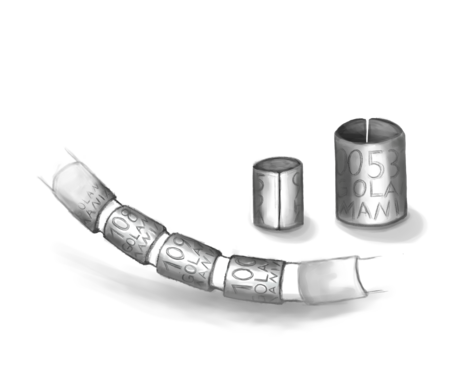
Ringing has been the first port of call for European ornithology for more than a century. By deploying uniquely numbered metal rings, we can both understand population demographics and track birds across continents. As such, ringing recovery data collected (often systematically) over a ever increasing time periods offer unique insight into how bird migration is changing in a changing world.
So far we have embraced EURING ringing recovery data to carry out ringing analyses on two study systems: the Eurasian blackcap and the European robin. Both birds have remarkably varied migratory phenotypes, and our recent work has focussed on how and why these phenotypes are changing.
Robins are facultative partial migrants, and hence only a proportion of the population truly 'migrate'. However, since the costs/benefits of migration must change as the climate changes, we seek to understand how the migratory behaviour of robins is changing in response.
Blackcaps, on the other hand, are for the most part short-to-medium distance migrants (with the exception of populations in the southern distribution range as well as island populations). They show a characteristic east-west divide in migratory direction, with eastern breeding birds migrating south-east and western birds migrating south-west in autumn, with an increasing number of blackcaps going north each year since the 1960s. We are focally interested in understanding a) why blackcaps migrate north, and b) whether the probability of birds going east/west is changing through time. To answer these questions we integrate ringing data with long-term tracking data, with the hope of elucidating how the mechanisms of migratory inheritance interact with changes in the environment to promote phenotypic change.